
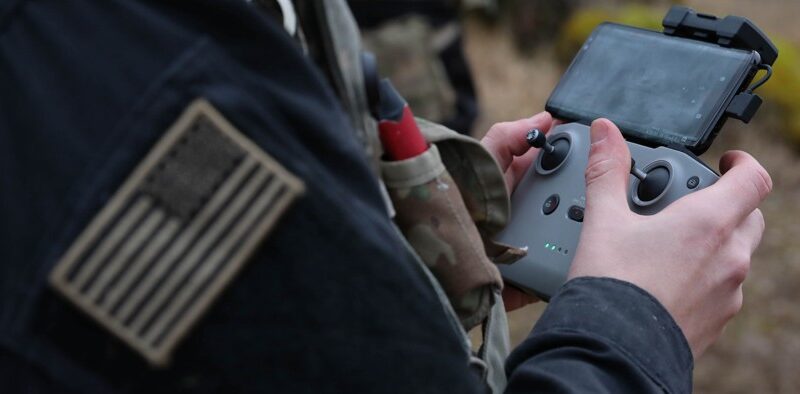
In a recent US Army field exercise, soldiers used Safe Pro Group’s AI to turn drone imagery into actionable battlefield intelligence, pushing artificial intelligence beyond analysis and into the decision layer of military operations.
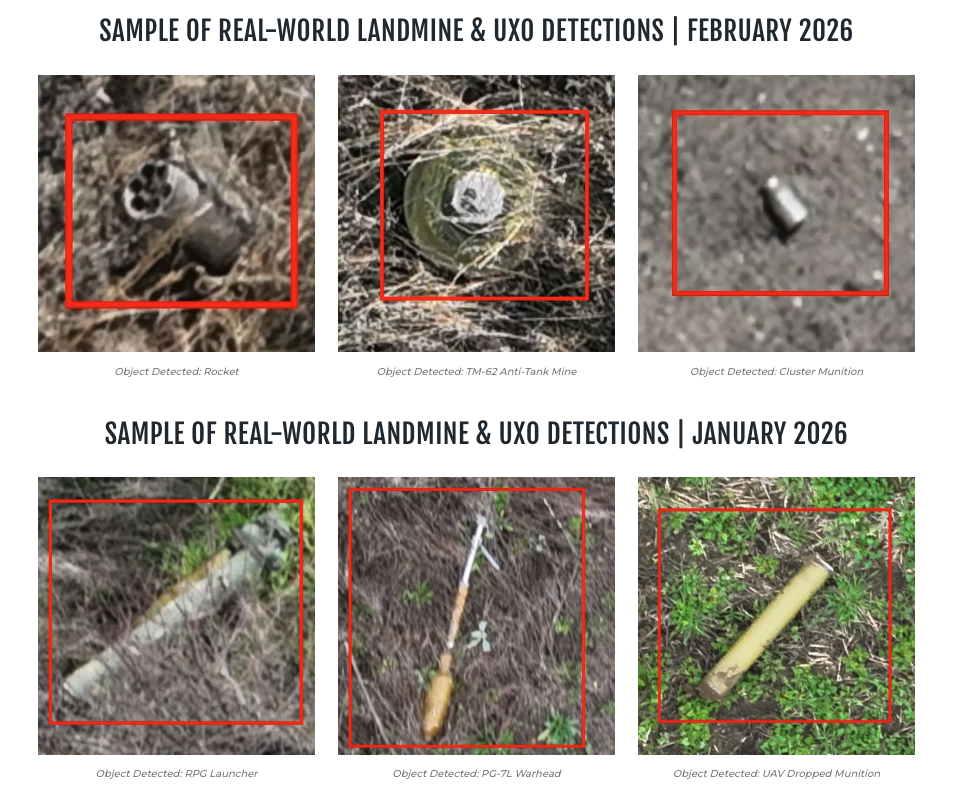
The system identified ground-based threats from drone feeds, including obstacles, hazards, and anti-vehicle and anti-personnel mines, and processed the data in near real time.
It then generated 2D and 3D terrain maps and digital surface models, giving commanders a clearer picture of the operational environment. These outputs were used directly for route planning and mission preparation.
Operating at the edge, the system processes data locally without relying on constant connectivity. It is also reportedly built to detect a wide range of explosive threats “from virtually any drone”.
The exercise was part of the army’s Transforming in Contact 2.0 initiative, held at Fort Hood, Texas, where emerging technologies are tested alongside operational units to speed field adoption.
“[We] were thrilled to see how quickly our AI tools were successfully utilized by soldiers to provide actionable intelligence and battlefield situational awareness,” said Safe Pro CEO Dan Erdberg.
Safer Breaching on the Battlefield
The effort is part of a broader push to reduce risk in breaching operations, one of the most dangerous tasks on the battlefield.
“We would expect to lose about 75 of them with the old ways of doing things… Now, using our capability, our expectation is that we keep those 150 soldiers alive for the next fight,” said 36th Engineer Brigade operations officer Maj. Michael Caddigan.
The development builds on earlier efforts to integrate AI-driven threat detection into drone systems, but goes further by putting those capabilities in the hands of soldiers.
To read the article, please click here!